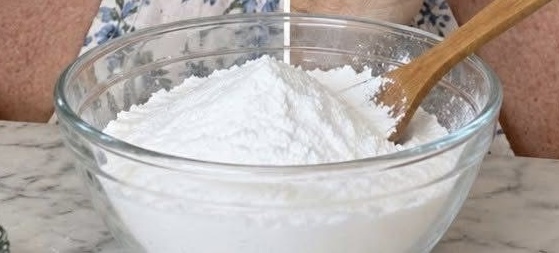
Dark spots, sun spots, and uneven skin tone are common concerns, especially as skin changes with age and years of sun exposure. Social media often promotes simple kitchen ingredients as powerful alternatives to professional skincare treatments. One popular claim suggests that baking soda can erase age spots in as little as 30 seconds.
However, there is an important difference between an attention-grabbing beauty claim and what is actually known about skincare. Baking soda may be inexpensive and widely available, but that does not mean it is a safe or proven treatment for pigmentation.
What Causes Age Spots?
Age spots, also called sun spots or solar lentigines, are usually flat areas of darker pigmentation that develop after repeated exposure to ultraviolet (UV) radiation. They commonly appear on areas such as the face, hands, shoulders, and arms.
Although they are generally harmless, not every dark spot is simply an age spot. Some changes in pigmentation can resemble other skin conditions, which is why a new, rapidly changing, irregular, or unusual-looking spot should be checked by a healthcare professional.
Does Baking Soda Remove Dark Spots?
Baking soda is an alkaline substance that can act as a mild abrasive. Because of this, some homemade skincare recipes claim that it can exfoliate the surface of the skin and make dark areas appear lighter.
There is no good evidence that applying baking soda to the face can permanently erase age spots in 30 seconds. A dramatic before-and-after photograph can also be misleading because lighting, makeup, camera settings, skin preparation, and image editing can significantly change how pigmentation appears.
Using baking soda directly on facial skin may also cause dryness, irritation, redness, or discomfort. The skin has a naturally acidic environment that supports its protective barrier, and harsh homemade treatments can interfere with that barrier.
Why Gentle Skincare Matters
If your goal is to improve the appearance of uneven skin tone, a gentle routine is usually a better starting point than aggressive scrubbing.
Use a mild cleanser and a moisturizer appropriate for your skin type. Most importantly, protect your skin from the sun. Daily broad-spectrum sunscreen can help reduce additional UV-related pigmentation and prevent existing dark spots from becoming more noticeable.
Ingredients commonly used in evidence-based skincare for uneven pigmentation include vitamin C, niacinamide, retinoids, and certain exfoliating acids. These ingredients should be introduced carefully because some can cause irritation, particularly when used too frequently.
What Can Actually Help Age Spots?
Persistent pigmentation may respond to professionally recommended treatments. Depending on the type and appearance of the spots, a dermatologist may discuss options such as prescription creams, chemical peels, laser treatments, or other procedures.
The right approach depends on the cause of the pigmentation, skin type, medical history, and location of the spots. Professional evaluation is especially important if you are unsure whether a mark is actually an age spot.
A Safer Approach to Homemade Skincare
Natural or homemade does not automatically mean gentle. Lemon juice, baking soda, undiluted vinegar, and abrasive scrubs are frequently promoted online, but they can irritate the skin and potentially make discoloration more noticeable after inflammation.
If you want to experiment with a new skincare ingredient, patch testing and introducing products gradually can reduce the risk of an unwanted reaction. Avoid applying harsh mixtures around the eyes, on broken skin, or over irritated areas.
The Bottom Line
The claim that baking soda can erase age spots in 30 seconds should be treated with caution. There is no reliable evidence that this household ingredient can permanently remove facial pigmentation that quickly, and applying it directly to the skin may cause irritation.
For healthier-looking, more even skin, focus on consistent sun protection, gentle skincare, and proven ingredients. If dark spots persist or you are concerned about a particular mark, a dermatologist can help determine what it is and which treatment options are appropriate.
A viral skincare trick may make an eye-catching headline, but protecting your skin and choosing evidence-based treatments is a much more dependable long-term strategy.