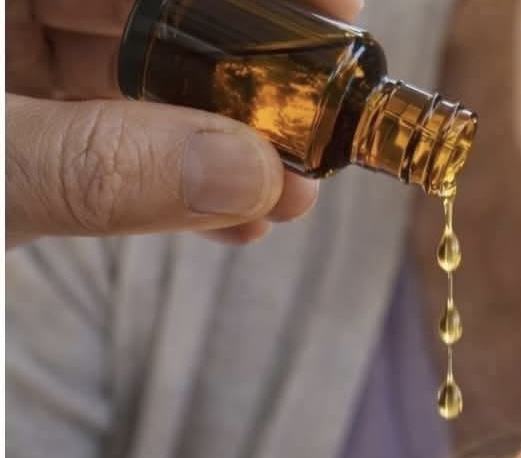
Earwax is a normal and useful part of ear health. It helps protect the ear canal by trapping dust and other particles, and in most people it gradually moves outward on its own. However, earwax can sometimes build up and cause a blocked or full sensation, temporary hearing changes, ringing, or discomfort.
Because of this, many people look for simple ways to soften excess earwax at home. One commonly discussed option is an earwax-softening drop, including olive oil. However, claims that putting a specific number of drops into the ear will make you “hear like new again” are too strong. Hearing problems can have many causes, and reduced hearing does not automatically mean that earwax is responsible.
How Earwax Softening Drops May Help
For people who have a straightforward earwax blockage and an intact eardrum, healthcare guidance sometimes recommends drops to soften the wax. Olive oil is one option mentioned by NHS and other healthcare sources because it can lubricate and soften hardened wax, allowing it to move out of the ear more naturally.
The goal is not to clean deep inside the ear. Instead, softening the wax may make it easier for the ear’s natural cleaning process to move it toward the opening.
Different medical sources recommend different amounts and schedules, so there is no universal “four drops” formula that works for everyone. For example, NHS guidance describes using a few drops several times a day for several days when treating uncomplicated earwax buildup.
A Safer Approach to Earwax Care
If you suspect earwax is blocking your hearing, start by considering whether your symptoms are actually consistent with wax buildup. A feeling of fullness, reduced hearing, earache, or ringing can occur with earwax, but similar symptoms can also happen with infections, eardrum problems, or other ear conditions.
If a healthcare professional or pharmacist has confirmed that earwax is the likely cause and that ear drops are appropriate, follow the product instructions carefully. Some NHS guidance recommends bringing the drops to room temperature, lying with the affected ear facing upward, applying the recommended amount, and remaining in that position for several minutes.
Do not insert cotton swabs, hairpins, fingers, or other objects into the ear canal. These can push wax deeper and may injure the delicate skin or eardrum.
When You Should Not Put Drops in Your Ear
Ear drops are not appropriate for everyone. If you have a known or suspected perforated eardrum, ear tubes, recent ear surgery, significant ear pain, drainage, or another known ear condition, you should get professional medical advice before putting anything into the ear. Mayo Clinic specifically advises against putting medicine drops into an ear with a suspected perforated eardrum unless a healthcare professional has prescribed them.
You should also stop using a product and seek medical advice if it causes significant pain, worsening symptoms, discharge, bleeding, or dizziness.
Why “Hear Like New Again” Can Be Misleading
Removing a wax blockage may improve hearing when excess wax is genuinely responsible for the problem. However, ear drops cannot treat every cause of hearing loss. Age-related hearing changes, infections, eardrum problems, prolonged loud-noise exposure, and other conditions may require completely different treatment.
For this reason, an earwax remedy should not be presented as a guaranteed way to restore hearing. If hearing remains reduced after appropriate earwax treatment, an examination can help determine what is actually causing the problem.
Keep Your Ears Healthy Naturally
Healthy ears generally do not require aggressive cleaning. Earwax normally travels outward naturally, and repeatedly trying to remove every trace of it can actually create problems.
Avoid inserting objects into your ear canal and protect your ears from excessive noise. If you frequently experience blocked ears, recurring wax buildup, persistent ringing, pain, or hearing changes, speak with a healthcare professional or pharmacist about the safest option for you.
Final Thoughts
Earwax-softening drops can be useful for some people with uncomplicated earwax buildup, and olive oil is one option mentioned in clinical guidance. However, the viral claim that putting exactly four drops into the ear will automatically restore hearing is not medically guaranteed. The right treatment depends on the cause of the hearing problem and the condition of the ear.
When in doubt, have your ear checked rather than relying on a homemade remedy. A simple professional examination can determine whether wax is actually blocking the ear and whether ear drops are appropriate.