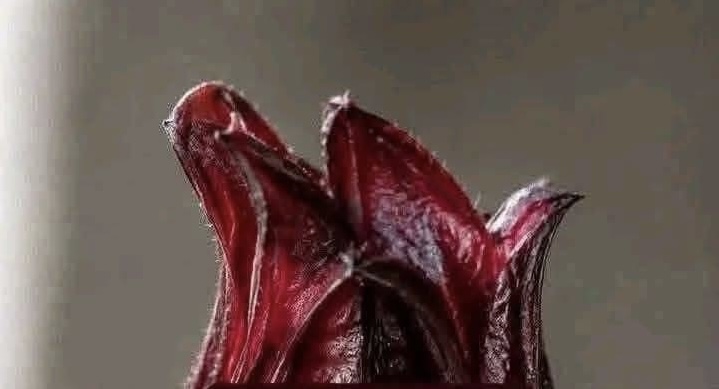
Hibiscus tea, made from the dried calyces of Hibiscus sabdariffa, is a colorful, naturally tart drink enjoyed in many parts of the world. It has recently become popular online because of claims that drinking hibiscus tea for 10 days can “clean the kidneys,” remove excess fluids, regulate blood pressure and cholesterol, and activate fat loss.
Some of these claims are based on real scientific research, but social media posts often exaggerate what hibiscus tea can accomplish. Hibiscus can be part of a healthy diet, but it should not be viewed as a quick detox, a cure for high blood pressure, or a guaranteed weight-loss drink.
Can Hibiscus Tea Lower Blood Pressure?
This is one area where hibiscus has been studied more extensively. Research suggests that Hibiscus sabdariffa may have a modest blood-pressure-lowering effect in some adults, particularly people with elevated blood pressure. A systematic review and meta-analysis found reductions in blood pressure among participants consuming hibiscus, although researchers emphasized the need for further studies.
However, this does not mean hibiscus tea should replace prescribed treatment. The National Center for Complementary and Integrative Health notes that evidence for hibiscus and blood pressure is still limited and that the effects of supplements are not comparable to established medical treatments.
If someone has high blood pressure, it is important to follow medical advice rather than attempting to manage the condition with tea alone.
What About Cholesterol?
Hibiscus is also frequently promoted as a natural cholesterol-lowering drink. The scientific evidence is more mixed.
Some newer reviews have reported improvements in certain cholesterol measurements, while earlier randomized-trial reviews found no significant overall effect on blood lipids.
Because studies have used different preparations, amounts, and durations, it is difficult to say that drinking hibiscus tea for a specific number of days will reliably lower cholesterol.
For people with high cholesterol, hibiscus tea can be enjoyed as a beverage, but it should not replace dietary changes, medical monitoring, or cholesterol medication when prescribed.
Does Hibiscus Tea “Clean” the Kidneys?
The phrase “clean your kidneys” is commonly used in online wellness content, but it can be misleading.
Your kidneys already filter waste products and excess substances from your blood. There is no need for a special tea to “flush” or detoxify healthy kidneys.
Drinking an unsweetened beverage can contribute to normal fluid intake, but that is different from medically “cleansing” the kidneys. If someone has kidney disease or another medical condition affecting fluid balance, they should follow advice from their healthcare professional rather than relying on detox drinks.
Can Hibiscus Tea Burn Fat?
Another popular claim is that hibiscus tea “activates fat loss.” This is much stronger than the evidence supports.
Some laboratory and animal research has explored possible effects of hibiscus compounds on metabolism, while some human studies have examined body weight and other metabolic markers. However, there is not good evidence that drinking hibiscus tea for 10 days causes substantial or permanent fat loss.
A healthy body does not need a special tea to “activate” fat burning. Changes in body composition are influenced by many factors, including nutrition, physical activity, sleep, genetics, and overall health.
How to Enjoy Hibiscus Tea
Hibiscus tea can be prepared as a simple beverage without turning it into a complicated “detox recipe.” Dried hibiscus calyces can be steeped in hot water, then allowed to cool if you prefer an iced drink.
Because hibiscus naturally has a tart flavor, some people add fruit or a small amount of sweetener. If you are drinking it regularly, keeping added sugar modest can help maintain the nutritional advantages of choosing tea instead of sugary beverages.
The goal should be to enjoy hibiscus as part of an overall balanced eating pattern rather than expecting dramatic results from one drink.
Important Things to Keep in Mind
Natural products can still have biological effects. Hibiscus may influence blood pressure, which means people taking blood-pressure medication should be cautious about assuming that more is better. Supplements and concentrated products can also differ substantially from an ordinary cup of tea.
The NCCIH advises that dietary supplements can interact with medications and that “natural” does not automatically mean safe.
If you take medication or have a medical condition, it is sensible to ask a healthcare professional before regularly consuming concentrated herbal products.
The Bottom Line
Hibiscus tea is a refreshing beverage with promising research behind some of its potential health effects, particularly a modest effect on blood pressure. Research on cholesterol and other metabolic effects is less consistent, and claims that hibiscus tea “cleans the kidneys” or rapidly activates fat loss are not established by strong evidence.
Most importantly, there is nothing magical about a 10-day schedule. Hibiscus tea can be enjoyed as part of a healthy lifestyle, but it should not replace medical treatment, balanced nutrition, regular physical activity, or professional advice.
Instead of looking for a quick detox or fat-burning solution, think of hibiscus tea as what it really is: a flavorful plant-based beverage that may offer some health benefits while fitting into an otherwise balanced lifestyle.