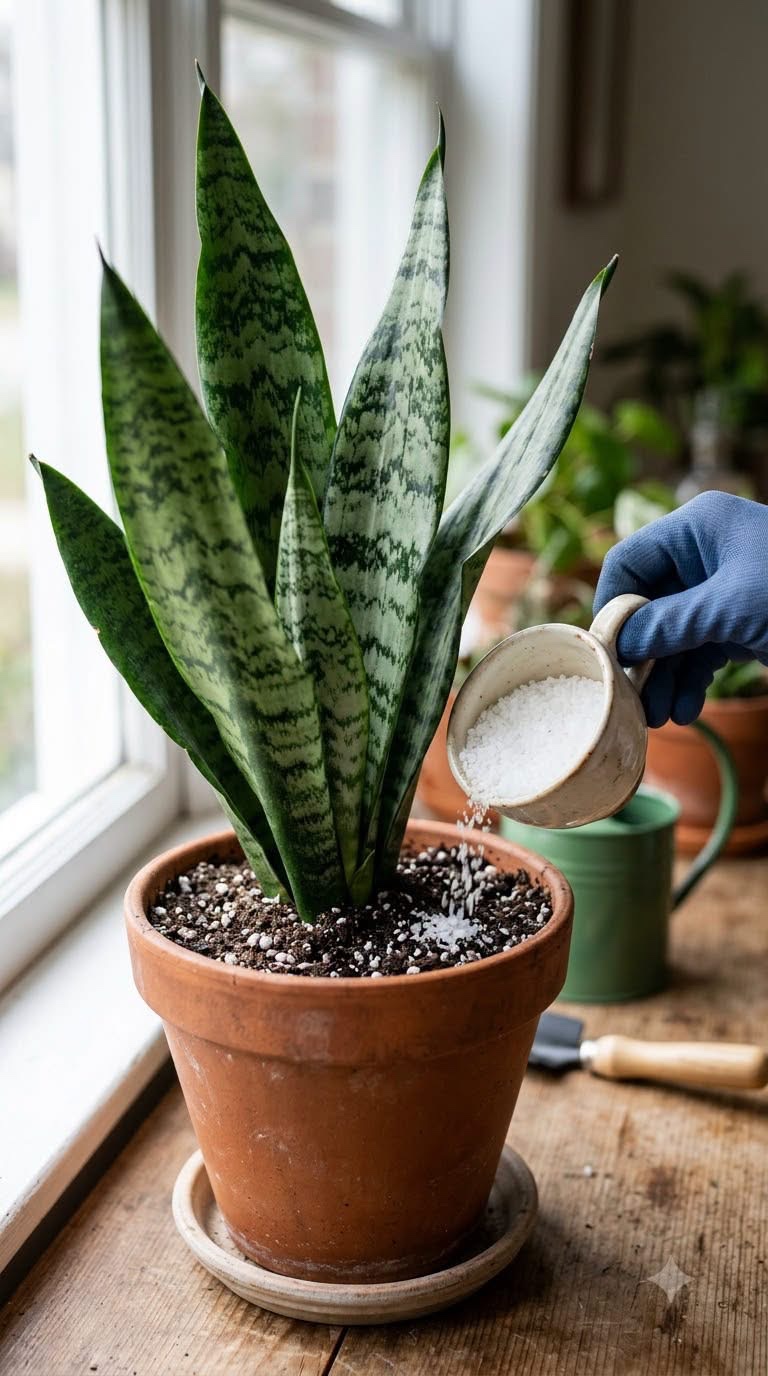
Snake plants are admired for their strong upright leaves, rich green patterns, and easy indoor style. A healthy snake plant can make a windowsill, office desk, entryway, or living room corner feel instantly more polished. As the plant becomes established, it can also produce new leaves and small pups around its base.
One simple way to support steady growth is with slow-release fertilizer granules. These small coated pellets release nutrients gradually as you water, giving the plant a gentle source of food during its active growing season. Combined with bright indirect light, well-draining soil, and a simple watering routine, slow-release fertilizer can help your snake plant look fuller, stronger, and more vibrant.
Why Snake Plants Need Nutrition
Snake plants are slow-growing houseplants, but they still need nutrients to make new leaves and develop healthy underground rhizomes. Their thick leaves store water, while their roots quietly work below the soil to support growth.
A mature snake plant can stay attractive for years with basic care. When it receives consistent light and light nutrition during spring and summer, it may grow taller leaves, richer color, and new shoots around the base.
The key is gentle, steady feeding rather than trying to force fast growth. Slow-release granules make this easy because they work gradually over time.
What Is Slow-Release Fertilizer?
Slow-release fertilizer is a dry fertilizer made from small coated pellets or granules. Each pellet contains plant nutrients that release slowly as moisture reaches the coating.
Instead of mixing fertilizer into water every few weeks, you can apply the granules to the soil surface or mix them lightly into the top layer of potting mix. The plant receives a small amount of nutrition gradually with normal watering.
For snake plants, choose a balanced houseplant fertilizer or one made for succulents and indoor foliage plants. Always follow the amount written on the fertilizer package.
How to Apply Slow-Release Fertilizer to a Snake Plant
Start with a snake plant that is actively growing and has healthy, firm leaves. Spring and summer are ideal times to feed indoor plants.
Check the fertilizer label and measure the recommended amount for your pot size. Sprinkle the granules evenly around the outer edge of the potting mix rather than placing them directly against the base of the plant.
Use a small spoon or your fingers to work the granules lightly into the top inch of soil. Keep them spread out so the nutrients are distributed evenly.
Water the plant lightly after applying the granules. The normal watering cycle will gradually activate the fertilizer and allow the roots to absorb nutrients over time.
How Often Should You Use It?
Most slow-release fertilizers are designed to last for several weeks or months. The exact schedule depends on the product, so always follow the label instructions.
For many indoor snake plants, one light application during spring and another during mid-summer is enough. Snake plants grow more slowly in fall and winter, so they usually do not need extra feeding during those months.
A simple care routine works best. Let the plant grow at its own pace and enjoy the gradual changes in leaf size, color, and fullness.
The Best Soil for Snake Plants
Snake plants grow best in a loose, fast-draining potting mix. Cactus or succulent soil is a convenient choice because it allows water to move through quickly.
You can also mix regular houseplant soil with perlite, pumice, or orchid bark to make it lighter. The roots need space and airflow in the pot, especially when the plant is receiving nutrients.
Choose a pot with drainage holes. Terracotta pots are especially popular for snake plants because they give a warm natural look and help the potting mix dry evenly.
How to Water a Snake Plant
A snake plant likes the soil to dry well between waterings. Before watering, place a finger a few inches into the potting mix. If it still feels damp, wait a little longer.
When the soil feels dry, water slowly around the base of the plant until a small amount of water drains from the bottom of the pot. Empty the saucer after a few minutes and return the plant to its place.
In many homes, this may mean watering every two to four weeks. A bright, warm room may dry the pot sooner, while a cool or low-light room may need less frequent watering.
Bright Indirect Light for Stronger Growth
Snake plants can adapt to lower light, but they grow most actively in bright indirect light. Place your plant near a window where it receives plenty of daylight without long periods of harsh afternoon sun.
An east-facing window is often a beautiful choice, especially with soft morning light. A spot a few feet from a south- or west-facing window can also work well.
Turn the pot every few weeks so the leaves receive light evenly. This encourages a balanced shape and helps prevent the plant from leaning toward one side.
Why Snake Plants Produce New Pups
The small shoots that appear beside the main plant are called pups. They grow from underground rhizomes and are a natural sign that the plant has become established.
Healthy roots, good light, airy soil, and gentle nutrition all support the development of these new shoots. The pups begin as pointed green spears, then slowly open into new leaves.
You can leave the pups attached for a fuller, bushier plant. If you want to create new plants, wait until the pups have developed roots before separating them during repotting.
How to Keep Leaves Looking Beautiful
Wipe dust from the leaves with a soft damp cloth every few weeks. Clean leaves reflect more light and make the natural green pattern look fresh and glossy.
Avoid heavy leaf-shine sprays. Simple water and a soft cloth are enough to keep the foliage looking clean.
If a leaf has a dry brown tip, use clean scissors to trim only the damaged portion. Follow the natural pointed shape of the leaf for the neatest look.
Best Places to Display a Snake Plant
A snake plant works beautifully in living rooms, bedrooms, entryways, home offices, and bright hallways. Its vertical leaves add height without taking up much floor space.
Place a large snake plant beside a sofa, near a sunny window, or in an empty corner for a modern, natural display. Smaller plants look great on desks, side tables, bookshelves, or kitchen counters.
Terracotta pots create a warm, classic style, while white ceramic pots give the plant a clean and contemporary look. A group of snake plants in different sizes can create an elegant indoor garden display.
Frequently Asked Questions
Can I use liquid fertilizer instead?
Yes. A balanced liquid houseplant fertilizer can also be used during spring and summer. Slow-release granules are simply a convenient option for gradual feeding.
How long does it take to see new growth?
Snake plants grow slowly, so visible growth may take several weeks or months. New leaves and pups appear gradually as the plant becomes established.
Can I repot after adding fertilizer granules?
It is best to repot first, then add fertilizer once the plant is settled in its new pot. Fresh potting mix gives the roots a clean, airy growing space.
Can I grow a snake plant on a balcony?
Yes, in a covered bright balcony with gentle light. Keep the plant protected from heavy rain, intense afternoon sun, and cold temperatures.
Final Thoughts
A fuller snake plant begins with simple, consistent care. Slow-release fertilizer granules can provide gentle nutrition during the growing season, while bright indirect light, fast-draining soil, and careful watering support strong roots and upright leaves.
Use a light application according to the fertilizer label, give the plant time to grow, and enjoy the new shoots that appear as your snake plant becomes more established. With this easy routine, your plant can stay fresh, elegant, and beautiful for years.