⠀
⠀
⠀
⠀
⠀
A prestigious charity gala.
⠀
⠀
⠀
⠀
⠀
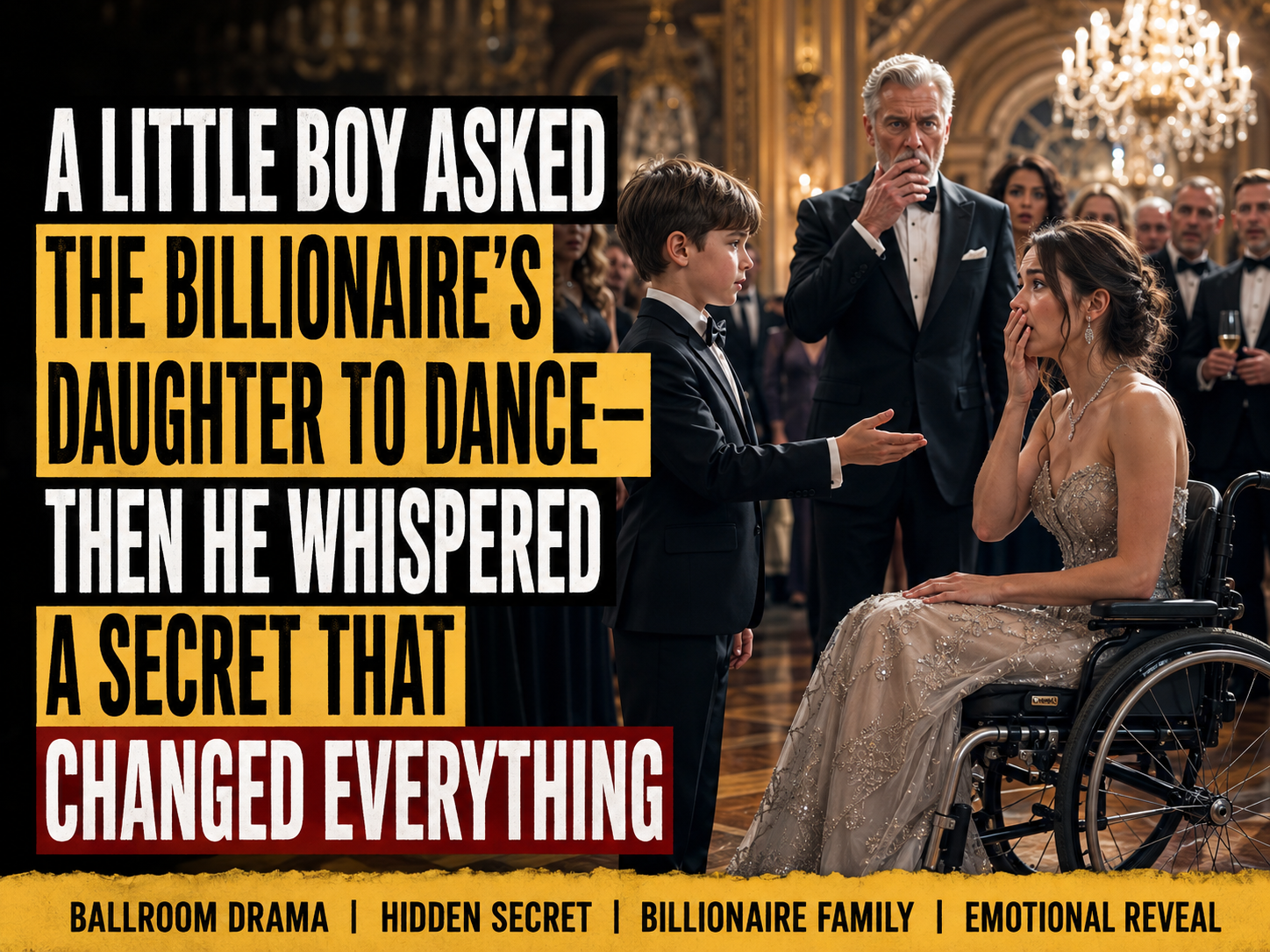
A billionaire’s daughter who had not danced since the accident that changed her life.
⠀
⠀
⠀
⠀
⠀
And a mysterious nine-year-old boy who crossed a ballroom filled with wealthy donors and asked the one question nobody else had dared to ask.
⠀
⠀
⠀
⠀
⠀
When Clara Whitmore accepted his hand, the boy leaned closer and whispered a sentence that brought back a memory her father had spent years trying to bury.
⠀
⠀
⠀
⠀
⠀
What began as a simple dance would uncover hidden medical records, a disputed insurance claim, and the truth about the night Clara lost the life she once knew.
⠀
⠀
⠀
⠀
⠀
Fiction Disclaimer: This is an original fictional story created for entertainment. The names, characters, organizations, medical situations, and events are imaginary.
⠀
⠀
⠀
⠀
⠀
Story Highlights
⠀
⠀
⠀
⠀
⠀
- A billionaire’s daughter attends her first gala after a life-changing accident
- A mysterious young boy asks her to dance in front of hundreds of guests
- His whispered words reveal a connection to the night of the crash
- Hidden medical records challenge the official version of the accident
- A struggling family becomes part of a powerful legal investigation
- Clara discovers a new way to reconnect with music and movement
- The Whitmore Foundation is transformed by the truth
⠀
⠀
⠀
⠀
⠀
In This Story
⠀
⠀
⠀
⠀
⠀
- The Question That Silenced the Ballroom
- The Whisper That Changed Everything
- The Boy Nobody Recognized
- Clara’s Last Dance
- The Official Story
- The Bracelet Inside the Boy’s Pocket
- A Medical File That Should Not Exist
- The Witness Henry Never Knew About
- The Truth Behind the Accident
- Clara Returns to the Ballroom
- One Year Later
⠀
⠀
⠀
⠀
⠀
The Question That Silenced the Ballroom
⠀
⠀
⠀
⠀
⠀
“Will you dance with me?”
⠀
⠀
⠀
⠀
⠀
The simple question echoed through the grand ballroom with a power no one expected.
⠀
⠀
⠀
⠀
⠀
For one breathtaking moment, the world seemed to stop.
⠀
⠀
⠀
⠀
⠀
The orchestra continued playing beneath crystal chandeliers that filled the hall with golden light.
⠀
⠀
⠀
⠀
⠀
Billionaires discussed private investments near the marble columns.
⠀
⠀
⠀
⠀
⠀
Celebrities laughed over champagne.
⠀
⠀
⠀
⠀
⠀
Philanthropists and corporate executives mingled beneath ceilings of glass and gold at the annual Whitmore Foundation gala.
⠀
⠀
⠀
⠀
⠀
But suddenly, none of them mattered.
⠀
⠀
⠀
⠀
⠀
A young boy had walked directly toward Clara Whitmore.
⠀
⠀
⠀
⠀
⠀
From across the ballroom, Henry Whitmore watched him and froze.
⠀
⠀
⠀
⠀
⠀
At fifty-three, Henry had built an international business empire from nothing.
⠀
⠀
⠀
⠀
⠀
He controlled luxury hotels, commercial real estate, medical technology investments, and one of the largest private charitable foundations in Boston.
⠀
⠀
⠀
⠀
⠀
He knew how to negotiate impossible contracts.
⠀
⠀
⠀
⠀
⠀
He could rescue a failing company with one phone call.
⠀
⠀
⠀
⠀
⠀
He could assemble attorneys, financial advisers, and private investigators before most people finished breakfast.
⠀
⠀
⠀
⠀
⠀
But there was one thing his money and influence had never been able to repair.
⠀
⠀
⠀
⠀
⠀
His daughter’s heartbreak.
⠀
⠀
⠀
⠀
⠀
Clara sat near the edge of the dance floor in an elegant midnight-blue gown.
⠀
⠀
⠀
⠀
⠀
Her wheelchair was the most advanced model available, designed by a medical technology company Henry had later invested in.
⠀
⠀
⠀
⠀
⠀
It offered comfort, mobility, and independence.
⠀
⠀
⠀
⠀
⠀
But it could not return the life Clara believed she had lost.
⠀
⠀
⠀
⠀
⠀
Before the accident, dancing had been her entire world.
⠀
⠀
⠀
⠀
⠀
Music was her heartbeat.
⠀
⠀
⠀
⠀
⠀
Every ballroom felt like home.
⠀
⠀
⠀
⠀
⠀
Every melody felt like freedom.
⠀
⠀
⠀
⠀
⠀
Then one terrible night changed everything.
⠀
⠀
⠀
⠀
⠀
And Clara had never danced again.
⠀
⠀
⠀
⠀
⠀
The Boy Nobody Recognized
⠀
⠀
⠀
⠀
⠀
The boy standing before Clara looked no older than nine.
⠀
⠀
⠀
⠀
⠀
His white shirt was clean but plain.
⠀
⠀
⠀
⠀
⠀
His dark trousers were slightly too short.
⠀
⠀
⠀
⠀
⠀
His shoes were worn along the edges.
⠀
⠀
⠀
⠀
⠀
Surrounded by luxury, wealth, and designer clothing, he looked completely out of place.
⠀
⠀
⠀
⠀
⠀
Yet he carried himself with remarkable confidence.
⠀
⠀
⠀
⠀
⠀
He had walked past famous guests.
⠀
⠀
⠀
⠀
⠀
Past wealthy donors.
⠀
⠀
⠀
⠀
⠀
Past people who spent their lives trying to be noticed.
⠀
⠀
⠀
⠀
⠀
He had gone directly to Clara.
⠀
⠀
⠀
⠀
⠀
And when he reached her, he never glanced at the wheelchair.
⠀
⠀
⠀
⠀
⠀
Not once.
⠀
⠀
⠀
⠀
⠀
He simply smiled and extended his hand.
⠀
⠀
⠀
⠀
⠀
“Will you dance with me?”
⠀
⠀
⠀
⠀
⠀
Clara stared at him.
⠀
⠀
⠀
⠀
⠀
Around them, conversations faded.
⠀
⠀
⠀
⠀
⠀
Hundreds of guests turned toward the edge of the dance floor.
⠀
⠀
⠀
⠀
⠀
Henry felt his chest tighten.
⠀
⠀
⠀
⠀
⠀
No one had asked Clara to dance since the accident.
⠀
⠀
⠀
⠀
⠀
Not her friends.
⠀
⠀
⠀
⠀
⠀
Not her former dance partners.
⠀
⠀
⠀
⠀
⠀
Not even Henry.
⠀
⠀
⠀
⠀
⠀
Everyone had been too afraid of reminding her what she had lost.
⠀
⠀
⠀
⠀
⠀
The boy remained perfectly still.
⠀
⠀
⠀
⠀
⠀
His hand stayed extended.
⠀
⠀
⠀
⠀
⠀
Hopeful.
⠀
⠀
⠀
⠀
⠀
Patient.
⠀
⠀
⠀
⠀
⠀
Unafraid of rejection.
⠀
⠀
⠀
⠀
⠀
Clara blinked rapidly as emotions she had spent years hiding rushed to the surface.
⠀
⠀
⠀
⠀
⠀
The orchestra continued playing a gentle waltz.
⠀
⠀
⠀
⠀
⠀
Then, with trembling fingers, Clara slowly lifted her hand.
⠀
⠀
⠀
⠀
⠀
Their fingertips touched.
⠀
⠀
⠀
⠀
⠀
The boy leaned closer.
⠀
⠀
⠀
⠀
⠀
And whispered six words.
⠀
⠀
⠀
⠀
⠀
“My mother was driving behind you.”
⠀
⠀
⠀
⠀
⠀
The Whisper That Changed Everything
⠀
⠀
⠀
⠀
⠀
The color drained from Henry Whitmore’s face.
⠀
⠀
⠀
⠀
⠀
Clara’s hand tightened around the boy’s fingers.
⠀
⠀
⠀
⠀
⠀
“What did you say?” she whispered.
⠀
⠀
⠀
⠀
⠀
The boy looked toward Henry.
⠀
⠀
⠀
⠀
⠀
“My mother saw what happened that night.”
⠀
⠀
⠀
⠀
⠀
Henry began walking toward them.
⠀
⠀
⠀
⠀
⠀
Two security officers moved forward, but he raised one hand and ordered them to remain where they were.
⠀
⠀
⠀
⠀
⠀
When he reached Clara, he looked directly at the boy.
⠀
⠀
⠀
⠀
⠀
“What is your name?”
⠀
⠀
⠀
⠀
⠀
“Samuel Reed.”
⠀
⠀
⠀
⠀
⠀
“How did you enter this gala, Samuel?”
⠀
⠀
⠀
⠀
⠀
The boy reached into his pocket and removed a folded invitation.
⠀
⠀
⠀
⠀
⠀
“My mother received it from the hospital.”
⠀
⠀
⠀
⠀
⠀
Henry examined the invitation.
⠀
⠀
⠀
⠀
⠀
It was genuine.
⠀
⠀
⠀
⠀
⠀
The Whitmore Foundation had donated medical equipment to several pediatric hospitals, and selected families had been invited to the gala.
⠀
⠀
⠀
⠀
⠀
“Where is your mother?” Henry asked.
⠀
⠀
⠀
⠀
⠀
Samuel pointed toward a quiet woman standing near the ballroom entrance.
⠀
⠀
⠀
⠀
⠀
She wore a simple black dress and held a cane in one hand.
⠀
⠀
⠀
⠀
⠀
Her name was Rebecca Reed.
⠀
⠀
⠀
⠀
⠀
When Henry looked at her, she did not smile.
⠀
⠀
⠀
⠀
⠀
She looked frightened.
⠀
⠀
⠀
⠀
⠀
As though she had spent years hoping for this moment and dreading it at the same time.
⠀
⠀
⠀
⠀
⠀
A Different Kind of Dance
⠀
⠀
⠀
⠀
⠀
Clara was still holding Samuel’s hand.
⠀
⠀
⠀
⠀
⠀
“Did your mother tell you to approach me?” she asked.
⠀
⠀
⠀
⠀
⠀
Samuel shook his head.
⠀
⠀
⠀
⠀
⠀
“She told me not to.”
⠀
⠀
⠀
⠀
⠀
A few guests laughed nervously.
⠀
⠀
⠀
⠀
⠀
Samuel ignored them.
⠀
⠀
⠀
⠀
⠀
“She said powerful people do not like old questions.”
⠀
⠀
⠀
⠀
⠀
Henry looked toward Rebecca again.
⠀
⠀
⠀
⠀
⠀
Before he could respond, Samuel gently moved Clara’s hand from side to side with the rhythm of the orchestra.
⠀
⠀
⠀
⠀
⠀
“You do not have to stand to dance,” he said.
⠀
⠀
⠀
⠀
⠀
Clara’s lips parted.
⠀
⠀
⠀
⠀
⠀
Samuel took one step backward while holding her hand.
⠀
⠀
⠀
⠀
⠀
Then one step to the side.
⠀
⠀
⠀
⠀
⠀
Clara slowly moved her wheelchair in a small circle.
⠀
⠀
⠀
⠀
⠀
The guests watched in silence.
⠀
⠀
⠀
⠀
⠀
Samuel raised their joined hands.
⠀
⠀
⠀
⠀
⠀
Clara turned the chair beneath his arm.
⠀
⠀
⠀
⠀
⠀
The movement was simple.
⠀
⠀
⠀
⠀
⠀
Careful.
⠀
⠀
⠀
⠀
⠀
But it was still a dance.
⠀
⠀
⠀
⠀
⠀
Clara laughed softly.
⠀
⠀
⠀
⠀
⠀
The sound broke something open inside Henry.
⠀
⠀
⠀
⠀
⠀
He had not heard his daughter laugh like that in years.
⠀
⠀
⠀
⠀
⠀
The orchestra adjusted to the moment.
⠀
⠀
⠀
⠀
⠀
The conductor slowed the music.
⠀
⠀
⠀
⠀
⠀
Samuel continued guiding Clara across a small section of the dance floor.
⠀
⠀
⠀
⠀
⠀
Not once did he treat her as fragile.
⠀
⠀
⠀
⠀
⠀
Not once did he look embarrassed.
⠀
⠀
⠀
⠀
⠀
He simply danced with her.
⠀
⠀
⠀
⠀
⠀
“You do not have to stand to dance.”
⠀
⠀
⠀
⠀
⠀
By the time the music ended, tears were moving down Clara’s face.
⠀
⠀
⠀
⠀
⠀
The ballroom erupted in applause.
⠀
⠀
⠀
⠀
⠀
But Henry was no longer watching the guests.
⠀
⠀
⠀
⠀
⠀
He was watching Rebecca Reed.
⠀
⠀
⠀
⠀
⠀
Clara’s Last Dance
⠀
⠀
⠀
⠀
⠀
Three years earlier, Clara had attended another charity event at a historic hotel outside Boston.
⠀
⠀
⠀
⠀
⠀
She had danced until midnight.
⠀
⠀
⠀
⠀
⠀
On the drive home, rain covered the highway.
⠀
⠀
⠀
⠀
⠀
Clara sat in the rear passenger seat of a Whitmore Foundation vehicle.
⠀
⠀
⠀
⠀
⠀
Her driver, Michael Grant, had worked for the family for nearly ten years.
⠀
⠀
⠀
⠀
⠀
According to the official accident report, Michael lost control on a wet curve.
⠀
⠀
⠀
⠀
⠀
The car struck a barrier and rolled down an embankment.
⠀
⠀
⠀
⠀
⠀
Michael died before emergency services arrived.
⠀
⠀
⠀
⠀
⠀
Clara suffered a severe spinal injury.
⠀
⠀
⠀
⠀
⠀
The insurance investigation described the crash as an unavoidable weather-related accident.
⠀
⠀
⠀
⠀
⠀
Henry accepted the report.
⠀
⠀
⠀
⠀
⠀
He had been too consumed by fear, hospital decisions, specialist consultations, and rehabilitation costs to question it.
⠀
⠀
⠀
⠀
⠀
He paid for surgeries.
⠀
⠀
⠀
⠀
⠀
Private medical care.
⠀
⠀
⠀
⠀
⠀
Experimental consultations.
⠀
⠀
⠀
⠀
⠀
Advanced rehabilitation programs.
⠀
⠀
⠀
⠀
⠀
Nothing returned the movement Clara had lost.
⠀
⠀
⠀
⠀
⠀
Eventually, she stopped asking whether she would dance again.
⠀
⠀
⠀
⠀
⠀
Then she stopped listening to music.
⠀
⠀
⠀
⠀
⠀
And Henry stopped mentioning the accident.
⠀
⠀
⠀
⠀
⠀
Rebecca Reed’s Story
⠀
⠀
⠀
⠀
⠀
After the gala, Henry invited Rebecca and Samuel into a private conference room.
⠀
⠀
⠀
⠀
⠀
Clara insisted on joining them.
⠀
⠀
⠀
⠀
⠀
Rebecca sat across from Henry with both hands wrapped around her cane.
⠀
⠀
⠀
⠀
⠀
“You said you witnessed the accident,” Henry began.
⠀
⠀
⠀
⠀
⠀
Rebecca nodded.
⠀
⠀
⠀
⠀
⠀
“I was driving behind Clara’s car.”
⠀
⠀
⠀
⠀
⠀
“Why did you never contact us?”
⠀
⠀
⠀
⠀
⠀
“I tried.”
⠀
⠀
⠀
⠀
⠀
Rebecca explained that she had been working as a night nurse at a private rehabilitation center.
⠀
⠀
⠀
⠀
⠀
She was driving home when she noticed a dark SUV following the Whitmore vehicle.
⠀
⠀
⠀
⠀
⠀
The SUV repeatedly moved close to the rear bumper.
⠀
⠀
⠀
⠀
⠀
At first, Rebecca believed the driver was simply impatient.
⠀
⠀
⠀
⠀
⠀
Then the SUV struck the back corner of Clara’s car.
⠀
⠀
⠀
⠀
⠀
The Whitmore vehicle lost control.
⠀
⠀
⠀
⠀
⠀
Rebecca stopped and called emergency services.
⠀
⠀
⠀
⠀
⠀
Before the police arrived, the SUV returned.
⠀
⠀
⠀
⠀
⠀
A man approached Rebecca’s car and warned her that she had not seen anything.
⠀
⠀
⠀
⠀
⠀
“I wrote down part of the license plate,” Rebecca said. “I gave it to an insurance investigator.”
⠀
⠀
⠀
⠀
⠀
Henry leaned forward.
⠀
⠀
⠀
⠀
⠀
“What happened?”
⠀
⠀
⠀
⠀
⠀
“He told me the vehicle was registered to a security company working for the Whitmore Foundation.”
⠀
⠀
⠀
⠀
⠀
The room became silent.
⠀
⠀
⠀
⠀
⠀
The Bracelet Inside Samuel’s Pocket
⠀
⠀
⠀
⠀
⠀
Samuel reached into his pocket again.
⠀
⠀
⠀
⠀
⠀
This time, he removed a small silver bracelet.
⠀
⠀
⠀
⠀
⠀
Clara recognized it immediately.
⠀
⠀
⠀
⠀
⠀
Her initials were engraved near the clasp.
⠀
⠀
⠀
⠀
⠀
“Where did you get that?”
⠀
⠀
⠀
⠀
⠀
“My mother found it near the road.”
⠀
⠀
⠀
⠀
⠀
Rebecca placed the bracelet on the table.
⠀
⠀
⠀
⠀
⠀
“I kept it because the investigator refused to include it in the evidence list.”
⠀
⠀
⠀
⠀
⠀
Henry stared at the bracelet.
⠀
⠀
⠀
⠀
⠀
The insurance company had claimed that every personal item recovered from the vehicle had been returned.
⠀
⠀
⠀
⠀
⠀
The bracelet proved the investigation had not been complete.
⠀
⠀
⠀
⠀
⠀
Or worse, that evidence had been deliberately excluded.
⠀
⠀
⠀
⠀
⠀
Clara turned it over.
⠀
⠀
⠀
⠀
⠀
A dark mark was visible along one edge.
⠀
⠀
⠀
⠀
⠀
Rebecca explained that it had been found near pieces of broken glass several yards from the vehicle.
⠀
⠀
⠀
⠀
⠀
“It was closer to where the SUV stopped,” she said.
⠀
⠀
⠀
⠀
⠀
Henry immediately contacted his private attorney.
⠀
⠀
⠀
⠀
⠀
Within an hour, an independent legal and forensic investigation had begun.
⠀
⠀
⠀
⠀
⠀
A Medical File That Should Not Exist
⠀
⠀
⠀
⠀
⠀
The first major discovery came from Clara’s hospital records.
⠀
⠀
⠀
⠀
⠀
A medical consultant had examined her shortly after the crash.
⠀
⠀
⠀
⠀
⠀
His report suggested that some of Clara’s injuries were inconsistent with the official description of the vehicle’s movement.
⠀
⠀
⠀
⠀
⠀
The report recommended a second accident reconstruction.
⠀
⠀
⠀
⠀
⠀
That recommendation never reached Henry.
⠀
⠀
⠀
⠀
⠀
The document had been moved into a restricted digital folder.
⠀
⠀
⠀
⠀
⠀
Access records showed that it had been opened by an executive working for the Whitmore Foundation’s former insurance provider.
⠀
⠀
⠀
⠀
⠀
That same executive had approved the final settlement.
⠀
⠀
⠀
⠀
⠀
The settlement included language preventing further claims against the private security company.
⠀
⠀
⠀
⠀
⠀
Henry’s attorneys discovered another connection.
⠀
⠀
⠀
⠀
⠀
The security company had been owned by Daniel Cross.
⠀
⠀
⠀
⠀
⠀
Daniel had served as the Whitmore Foundation’s financial director.
⠀
⠀
⠀
⠀
⠀
Three weeks before Clara’s accident, she had questioned several unusually large payments approved by Daniel.
⠀
⠀
⠀
⠀
⠀
The money had supposedly funded overseas medical programs.
⠀
⠀
⠀
⠀
⠀
No hospitals could confirm receiving it.
⠀
⠀
⠀
⠀
⠀
The Witness Henry Never Knew About
⠀
⠀
⠀
⠀
⠀
Henry’s investigators located the insurance employee who had interviewed Rebecca.
⠀
⠀
⠀
⠀
⠀
His name was Peter Walsh.
⠀
⠀
⠀
⠀
⠀
Peter had retired early and moved to another state.
⠀
⠀
⠀
⠀
⠀
At first, he refused to speak.
⠀
⠀
⠀
⠀
⠀
Then the attorneys showed him Rebecca’s original statement, the bracelet, and the restricted medical file.
⠀
⠀
⠀
⠀
⠀
Peter finally admitted the truth.
⠀
⠀
⠀
⠀
⠀
Daniel Cross had pressured the insurance company to classify the crash as weather-related.
⠀
⠀
⠀
⠀
⠀
The company feared losing several major corporate insurance contracts connected to Henry’s business empire.
⠀
⠀
⠀
⠀
⠀
Rather than challenge Daniel, senior executives removed Rebecca’s statement and closed the investigation.
⠀
⠀
⠀
⠀
⠀
Peter had kept one copy of the original interview.
⠀
⠀
⠀
⠀
⠀
He gave it to Henry’s legal team.
⠀
⠀
⠀
⠀
⠀
The recording captured Rebecca describing the SUV, the partial license plate, and the man who threatened her.
⠀
⠀
⠀
⠀
⠀
She had also described a logo on his jacket.
⠀
⠀
⠀
⠀
⠀
It belonged to Daniel’s security company.
⠀
⠀
⠀
⠀
⠀
The Truth Behind the Accident
⠀
⠀
⠀
⠀
⠀
The investigation revealed that Clara had discovered suspicious payments within the Whitmore Foundation.
⠀
⠀
⠀
⠀
⠀
She planned to discuss them with Henry the morning after the gala.
⠀
⠀
⠀
⠀
⠀
Daniel learned about her questions.
⠀
⠀
⠀
⠀
⠀
He instructed two security employees to frighten Clara and recover a folder she had taken from the foundation office.
⠀
⠀
⠀
⠀
⠀
They followed her vehicle.
⠀
⠀
⠀
⠀
⠀
The situation escalated.
⠀
⠀
⠀
⠀
⠀
One of the men struck the Whitmore car while attempting to force it to stop.
⠀
⠀
⠀
⠀
⠀
The crash was never intended to be fatal.
⠀
⠀
⠀
⠀
⠀
But Michael died.
⠀
⠀
⠀
⠀
⠀
Clara’s life changed forever.
⠀
⠀
⠀
⠀
⠀
And the people responsible used corporate influence, legal pressure, and insurance connections to bury the truth.
⠀
⠀
⠀
⠀
⠀
Daniel was arrested along with two former employees of the security company.
⠀
⠀
⠀
⠀
⠀
The insurance provider faced a major regulatory investigation and civil lawsuit.
⠀
⠀
⠀
⠀
⠀
The stolen foundation money was traced through property investments and shell companies.
⠀
⠀
⠀
⠀
⠀
Several assets were frozen.
⠀
⠀
⠀
⠀
⠀
The missing funds were eventually recovered through court orders and corporate restitution agreements.
⠀
⠀
⠀
⠀
⠀
But Henry did not feel victorious.
⠀
⠀
⠀
⠀
⠀
He felt ashamed.
⠀
⠀
⠀
⠀
⠀
His name had been powerful enough to frighten witnesses.
⠀
⠀
⠀
⠀
⠀
Yet it had not protected his own daughter from people working inside his organization.
⠀
⠀
⠀
⠀
⠀
Clara’s Anger
⠀
⠀
⠀
⠀
⠀
When Henry told Clara the full truth, he expected grief.
⠀
⠀
⠀
⠀
⠀
Instead, she became angry.
⠀
⠀
⠀
⠀
⠀
“You accepted their report,” she said.
⠀
⠀
⠀
⠀
⠀
“I trusted the investigators.”
⠀
⠀
⠀
⠀
⠀
“You trusted a corporation because it gave you an answer quickly.”
⠀
⠀
⠀
⠀
⠀
Henry lowered his eyes.
⠀
⠀
⠀
⠀
⠀
“I was trying to save you.”
⠀
⠀
⠀
⠀
⠀
“No,” Clara said. “You were trying to fix me.”
⠀
⠀
⠀
⠀
⠀
The words struck harder than any accusation.
⠀
⠀
⠀
⠀
⠀
Clara explained that after the accident, every conversation had focused on treatment.
⠀
⠀
⠀
⠀
⠀
Surgeries.
⠀
⠀
⠀
⠀
⠀
Rehabilitation.
⠀
⠀
⠀
⠀
⠀
Medical technology.
⠀
⠀
⠀
⠀
⠀
Possible cures.
⠀
⠀
⠀
⠀
⠀
Nobody had asked how she wanted to live if her condition did not change.
⠀
⠀
⠀
⠀
⠀
“You kept waiting for the old Clara to return,” she said.
⠀
⠀
⠀
⠀
⠀
Henry’s voice broke.
⠀
⠀
⠀
⠀
⠀
“I missed her.”
⠀
⠀
⠀
⠀
⠀
“So did I.”
⠀
⠀
⠀
⠀
⠀
Clara looked toward the ballroom visible through the office windows.
⠀
⠀
⠀
⠀
⠀
“But Samuel understood something before either of us did.”
⠀
⠀
⠀
⠀
⠀
“What?”
⠀
⠀
⠀
⠀
⠀
“I do not have to become who I was before the accident.”
⠀
⠀
⠀
⠀
⠀
Samuel’s Real Reason
⠀
⠀
⠀
⠀
⠀
Samuel had not approached Clara only because of his mother’s secret.
⠀
⠀
⠀
⠀
⠀
He had been receiving treatment at a hospital supported by the Whitmore Foundation.
⠀
⠀
⠀
⠀
⠀
A childhood condition affected his balance and coordination.
⠀
⠀
⠀
⠀
⠀
Other children had laughed at the way he moved.
⠀
⠀
⠀
⠀
⠀
His physical therapist encouraged him to use music during treatment.
⠀
⠀
⠀
⠀
⠀
He began learning simple dance steps.
⠀
⠀
⠀
⠀
⠀
Not because he expected to become a professional dancer.
⠀
⠀
⠀
⠀
⠀
Because dancing made movement feel joyful instead of medical.
⠀
⠀
⠀
⠀
⠀
When he saw Clara sitting beside the ballroom, he recognized her expression.
⠀
⠀
⠀
⠀
⠀
It was the same expression he had worn while watching other children run.
⠀
⠀
⠀
⠀
⠀
“I thought she wanted someone to ask,” Samuel later explained.
⠀
⠀
⠀
⠀
⠀
He had been right.
⠀
⠀
⠀
⠀
⠀
Clara Returns to the Ballroom
⠀
⠀
⠀
⠀
⠀
Several months after the investigation, Clara returned to the same ballroom.
⠀
⠀
⠀
⠀
⠀
This time, the event was smaller.
⠀
⠀
⠀
⠀
⠀
There were no celebrity photographers.
⠀
⠀
⠀
⠀
⠀
No luxury product sponsors.
⠀
⠀
⠀
⠀
⠀
No champagne reception.
⠀
⠀
⠀
⠀
⠀
The guests were children, parents, physical therapists, dance instructors, and disability advocates.
⠀
⠀
⠀
⠀
⠀
Clara had created a new Whitmore Foundation program called Movement Without Limits.
⠀
⠀
⠀
⠀
⠀
The program funded adaptive dance classes, rehabilitation technology, accessible transportation, and specialized medical support.
⠀
⠀
⠀
⠀
⠀
It was open to families regardless of income or insurance status.
⠀
⠀
⠀
⠀
⠀
Samuel stood beside the dance floor wearing a small black suit.
⠀
⠀
⠀
⠀
⠀
Clara approached him in her wheelchair.
⠀
⠀
⠀
⠀
⠀
She extended her hand.
⠀
⠀
⠀
⠀
⠀
“Will you dance with me?”
⠀
⠀
⠀
⠀
⠀
Samuel smiled.
⠀
⠀
⠀
⠀
⠀
“I thought you would never ask.”
⠀
⠀
⠀
⠀
⠀
The music began.
⠀
⠀
⠀
⠀
⠀
Clara moved across the floor with Samuel beside her.
⠀
⠀
⠀
⠀
⠀
Other children joined them.
⠀
⠀
⠀
⠀
⠀
Some danced standing.
⠀
⠀
⠀
⠀
⠀
Some used wheelchairs.
⠀
⠀
⠀
⠀
⠀
Some held walkers.
⠀
⠀
⠀
⠀
⠀
Others moved only their hands to the rhythm.
⠀
⠀
⠀
⠀
⠀
Every movement counted.
⠀
⠀
⠀
⠀
⠀
Every child belonged.
⠀
⠀
⠀
⠀
⠀
Henry watched from the edge of the room.
⠀
⠀
⠀
⠀
⠀
For the first time, he did not see a daughter waiting to be repaired.
⠀
⠀
⠀
⠀
⠀
He saw Clara.
⠀
⠀
⠀
⠀
⠀
Whole.
⠀
⠀
⠀
⠀
⠀
Powerful.
⠀
⠀
⠀
⠀
⠀
And free in a way he had never understood.
⠀
⠀
⠀
⠀
⠀
One Year Later
⠀
⠀
⠀
⠀
⠀
One year after Samuel approached Clara at the gala, Movement Without Limits operated in twelve cities.
⠀
⠀
⠀
⠀
⠀
The program partnered with hospitals, rehabilitation centers, schools, and community organizations.
⠀
⠀
⠀
⠀
⠀
It provided adaptive equipment, professional training, transportation grants, and financial assistance for families whose insurance plans did not cover specialized programs.
⠀
⠀
⠀
⠀
⠀
Rebecca joined the foundation as a patient-support adviser.
⠀
⠀
⠀
⠀
⠀
Her testimony also helped create stronger protections for witnesses involved in corporate insurance investigations.
⠀
⠀
⠀
⠀
⠀
Samuel continued his therapy.
⠀
⠀
⠀
⠀
⠀
He still struggled with balance on difficult days.
⠀
⠀
⠀
⠀
⠀
But he no longer hid the way he moved.
⠀
⠀
⠀
⠀
⠀
Clara became the executive director of the Whitmore Foundation.
⠀
⠀
⠀
⠀
⠀
She ordered independent financial audits, stronger legal oversight, and transparent reporting for every charitable investment.
⠀
⠀
⠀
⠀
⠀
Henry remained chairman.
⠀
⠀
⠀
⠀
⠀
But for the first time, he learned to listen before making decisions.
⠀
⠀
⠀
⠀
⠀
At the next annual gala, Clara positioned herself at the center of the ballroom instead of the edge.
⠀
⠀
⠀
⠀
⠀
When the orchestra began playing, Henry approached her.
⠀
⠀
⠀
⠀
⠀
He looked nervous.
⠀
⠀
⠀
⠀
⠀
More nervous than he had looked during any business negotiation.
⠀
⠀
⠀
⠀
⠀
He extended his hand.
⠀
⠀
⠀
⠀
⠀
“Will you dance with me?”
⠀
⠀
⠀
⠀
⠀
Clara looked at him for a long moment.
⠀
⠀
⠀
⠀
⠀
Then she smiled.
⠀
⠀
⠀
⠀
⠀
“I was wondering when you would ask.”
⠀
⠀
⠀
⠀
⠀
They moved slowly beneath the chandeliers.
⠀
⠀
⠀
⠀
⠀
It was not the dance either of them remembered from before the accident.
⠀
⠀
⠀
⠀
⠀
It was something new.
⠀
⠀
⠀
⠀
⠀
And that made it more meaningful.
⠀
⠀
⠀
⠀
⠀
The Lesson Behind the Dance
⠀
⠀
⠀
⠀
⠀
For years, Henry believed money could solve every problem.
⠀
⠀
⠀
⠀
⠀
He trusted private medical care.
⠀
⠀
⠀
⠀
⠀
Corporate insurance investigations.
⠀
⠀
⠀
⠀
⠀
Legal settlements.
⠀
⠀
⠀
⠀
⠀
Advanced technology.
⠀
⠀
⠀
⠀
⠀
But the truth was uncovered by a nurse whose statement had been ignored and a child brave enough to ask a simple question.
⠀
⠀
⠀
⠀
⠀
Samuel did not see Clara as a tragedy.
⠀
⠀
⠀
⠀
⠀
He did not see a wheelchair before he saw the person sitting in it.
⠀
⠀
⠀
⠀
⠀
He saw someone listening to music.
⠀
⠀
⠀
⠀
⠀
Someone who wanted to join.
⠀
⠀
⠀
⠀
⠀
And because he extended his hand, Clara discovered that the accident had changed the way she danced.
⠀
⠀
⠀
⠀
⠀
It had not taken dancing away from her.
⠀
⠀
⠀
⠀
⠀
Sometimes healing does not mean returning to the person you were before everything changed.
⠀
⠀
⠀
⠀
⠀
Sometimes it means discovering that the person you are now still deserves music, movement, joy, and a place at the center of the floor.
⠀
⠀
⠀
⠀
⠀
What Do You Think?
⠀
⠀
⠀
⠀
⠀
Do you think Henry failed Clara by accepting the official accident report without asking more questions?
⠀
⠀
⠀
⠀
⠀
And would you have been brave enough to approach Clara the way Samuel did?
⠀
⠀
⠀
⠀
⠀
Share your opinion in the comments.
⠀
⠀
⠀
⠀
⠀
About the Author
⠀
⠀
⠀
⠀
⠀
NextPart Editorial Team creates original fictional stories about family, justice, emotional recovery, hidden truths, personal courage, and unexpected second chances.
⠀
⠀
⠀
⠀
⠀
Our stories are written for entertainment and aim to leave readers with a meaningful message.
⠀
⠀
⠀
⠀